
Around the United States, statues of Cesar Chavez are being taken down, sparking a wide range of emotions. Some feel angry, others feel betrayed. Recently, it has been revealed that Cesar Chavez, one of the leaders of the National Farmworkers Association, sexually assaulted multiple women and minors. The only reason this came to the public’s attention is because of Dolores Huerta.
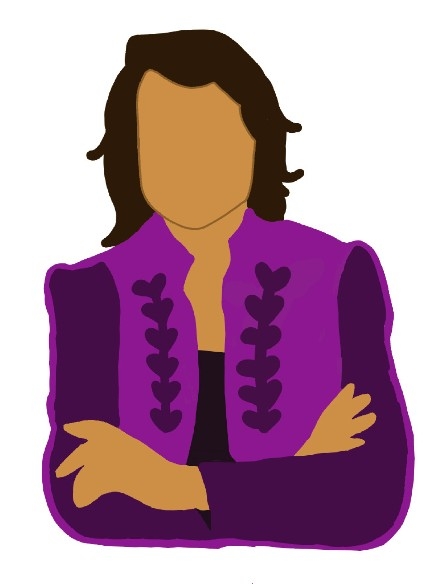
In the 1960s, Dolores Huerta was an activist who fought for the rights of oppressed farmworkers. At the time, these workers faced inhumane working conditions, including forced lice fumigation as well as inadequate food and shelter. Coining the phrase “Sí se puede,” or “Yes we can,” and working alongside well-known leaders such as Cesar Chavez and Larry Itliong, Huerta participated in several protests and rallies meant to give power to farmworkers. Although these events significantly reduced the atrocities farmworkers faced, Huerta still had to endure the dire situations in her life. She, alongside many other women and minors, was a victim of Cesar Chavez’s assault, and it was not until this past year that she finally began to speak out about her experiences.
Despite her numerous contributions to combatting injustice, Huerta was relatively unheard of before Cesar Chavez’s actions were revealed. A major factor in this lack of representation has been the societal stigma that her life was unstable. Huerta had 11 children from three different relationships, which meant constant gossip and criticism that pushed a derogatory narrative of the kind of woman she was.
Despite being a busy mother, she also managed to be an activist who fought against oppression. However, she is not remembered as being someone who risked her life for the sake of others. Instead, many people see her as a helpless victim who is only recognized for speaking out about her own experiences with Cesar Chavez. Huerta’s lack of recognition, unfortunately, mirrors a problem that we as a society have faced for centuries: the victimization of women.
Throughout history, many women have taken action and fought for others’ rights, but are only remembered for being victims. For decades, women like Huerta have been portrayed through a demeaning lens. Rather than being depicted as heroic and significant, they are seen as victims who are only recognized because a man harmed them.
Luckily, progress is being made. By erasing the narrative that Cesar Chavez was the “good guy,” people are slowly realizing that, in addition to speaking out, Dolores Huerta is an extremely important figure in U.S. history. As of 2018, “Dolores Huerta Day” on April 10th was created to commemorate all of the sacrifices that Huerta made. This day brings hope for the millions of heroines who have only been seen as victims throughout history. It is up to the public how they view women like Huerta, and people must realize that her persona encompasses much more than just being a victim.