
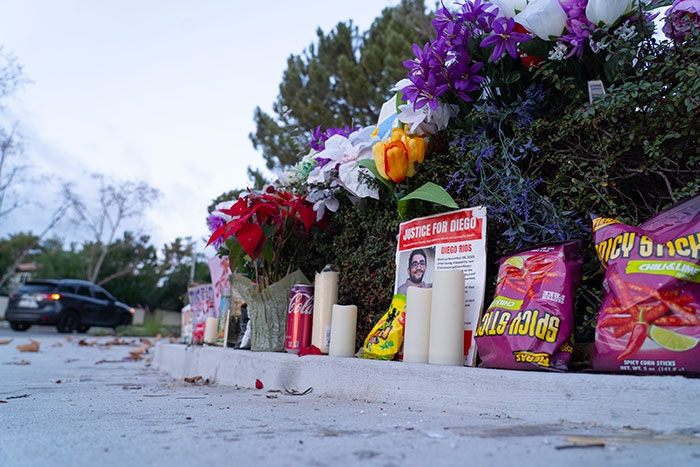
On Friday, November 28, 2025, at approximately 3:18 p.m., Diego Rios was killed during a use-of-force encounter involving two Claremont Police Department (CPD) officers. The incident took place near the intersection of Claremont Boulevard and Andrew Drive. The following morning, the CPD released an official statement regarding the incident.
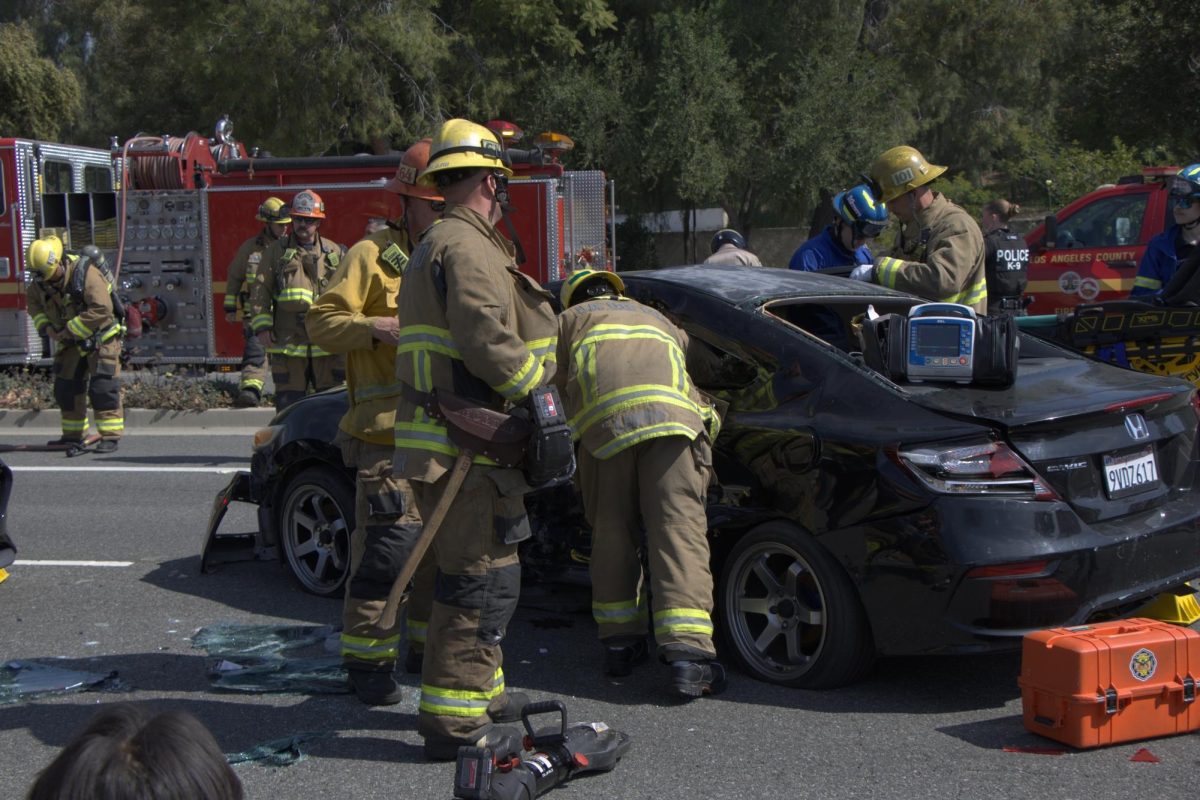
“Claremont Police Department received two reports of a male acting erratically and possibly under the influence of narcotics…Based on the subject’s behavior, officers believed he was operating a motor vehicle while under the influence. The officers asked the subject to step out of the vehicle, at which point a use-of-force incident occurred. During the encounter, the subject became unresponsive. Officers immediately initiated lifesaving measures…The subject was transported by ambulance to Pomona Valley Hospital Medical Center, where he was later pronounced deceased.”
CBS News reported that a witness claimed to have seen officers pinning Rios to the ground while he yelled that he could not breathe. Diego Rios’s sister-in-law, Isabel Rios, affirms the lack of transparency around the case.
“The city of Claremont needs to clearly explain to the public how these actions are supposed to be interpreted when California Government Code 7286.5 prohibits restraints that compress a person’s airway or impair their ability to breathe, including situations where pressure or body weight is unreasonably applied against the neck, torso, or back,” Rios said.
Abiding by the Fourteenth Amendment, an unjustified police fatality violates constitutional law by depriving an individual of life without due process.
It was not until January 20, 2026, that the CPD released the body cam footage of the incident, abiding by California Assembly Bill No. 748- a bill aimed at increasing public access to law enforcement records by requiring the disclosure of video and audio recordings related to “critical incidents” (police shootings or incidents involving great bodily injury) within 45 days.
Throughout the process of this case, the Rios family was left in the dark and silent for weeks, grieving and seeking justice for what happened. Told to be patient by the authorities, the family and community demanded answers.
“Asking questions about what happens when a person isn’t safely taken into custody by the police is our right,” Rios said. “Asking questions is not radical. Asking questions is not anti-police. Any reasonable person would want to know the circumstances surrounding why their loved one died. The community wants to know the circumstances around what happened. The leadership of Claremont needs to step up to provide transparency around what happened and give the community actionable steps on how they are going to prevent any future incidents.”
Claremont High School senior, Olivia Savage, attended the January 13, 2026, city council meeting, where the Rios family and over 20 community members gave their statements, pleading with the city to release more information about the incident.
“I think it’s crazy that we see incidents like this on the news and then it actually happens in your own city”, Savage said. “There wasn’t any coverage, and the family literally had zero communication, which is crazy. And you would expect better from a city like Claremont. We’re such a good city, but then something like this happens, and it just puts things into perspective.”
The February 5, 2026, Claremont Police Commission meeting was canceled due to “lack of business,” according to documents on the city website. Note, this is one of five meetings that the Claremont Police Commission holds per year. Considering that a police inflicted casualty had recently occurred, with body cam footage only being released to the public on January 20, the cancellation of the February meeting is blatantly unreasonable.
The family and community are grieving and questioning how a system put in place meant to protect its community has mishandled justice so significantly.
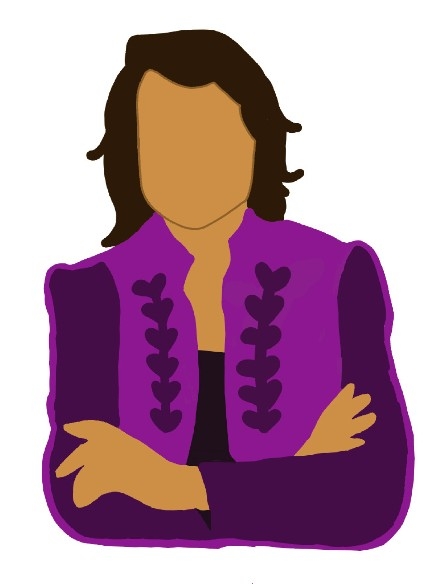
“If Claremont residents find these unconstitutional acts of police aggression troubling, they should attend an upcoming city council meeting or police commission meeting to voice their concerns and seek additional clarity,” Rios said. “Diego is dearly missed by everyone who knew him. He was a loving son, a brother, a cousin, an uncle, and a kind friend. He was a poet, an artist, and a musician.”