
“When racism and sexism are no longer fashionable, what will your art collection be worth?”
That question is the title of a 1989 poster by the Guerrilla Girls, an anonymous feminist art collective. One would hope that an openly racist and sexist artist would not be given a platform. However, in a time where the media only amplifies the voices of the bigoted, it is becoming increasingly popular to put an artist’s problematic views in the rearview mirror if their art is considered “good enough.”
Take Kanye West, for example. Earlier this year, the American rapper posted antisemitic comments on X, formerly known as Twitter, such as “I love Hitler,” “I’m a Nazi,” and “Jewish people don’t run me no more.” In a similar incident in 2020, West shared a photo of himself wearing a “White Lives Matter” shirt. The slogan has been recognized—particularly by the Anti-Defamation League—as a white supremacist phrase used by hate groups such as the Aryan Renaissance Society and Ku Klux Klan. Yet, Kanye West arguably faced no actual repercussions for his actions, instead being temporarily banned from X before being reinstated by Elon Musk. Currently, West is still getting brand deals, artist collaborations, and gaining approximately 64.2 million monthly listeners on Spotify.
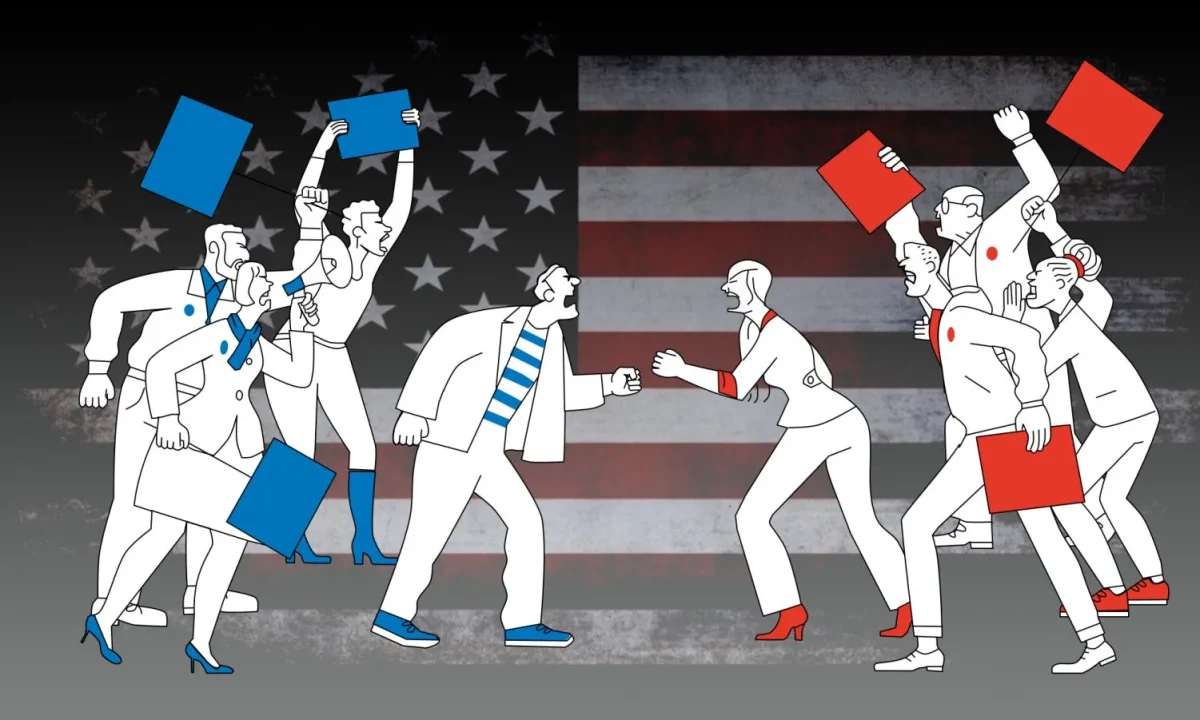
People generally advocate for this separation of the art and artist because, while they might like an artist’s work, they do not agree with their politics. However, the truth is art, whether it is music, literature, film, or visual arts, is inherently political. Art has historically been an outlet for many to express their opinions in situations where they otherwise could not, such as authoritarian governments. So if an artist’s views on issues such as human rights or ethics fundamentally disagree with your own, you should not be supporting them or giving them a platform. Even when an artist takes an apolitical stance or abstains from political commentary in their art, they are making a choice to comply with their political environment and the status quo.
Colette Keating, a freshman at Claremont High School, shares her thoughts on the topic.
“I think there can be a difference between liking someone’s art and agreeing or supporting their views,” Keating said. “I think art is its own form, and I don’t think it should be impacted by politics. There can be symbolism and meaning in art, but they’re two separate areas. I listen to music based on the art and the form of expression, because your art is different from where you stand politically.”
However, freshman Matthew Young has a different opinion.
“Everything that we do is human, and everything that is human is inherently political,” Young said. “A painting […] can be in the lens of how it depicts a certain social group, or just how it depicts this certain person and where they fit in the world, right? And that [has] political meaning.”
Art will always be shaped by its political atmosphere, and artists—whether intentionally or not—shape their work through their beliefs. We as a society must understand who we are promoting, and if their views reflect our own.