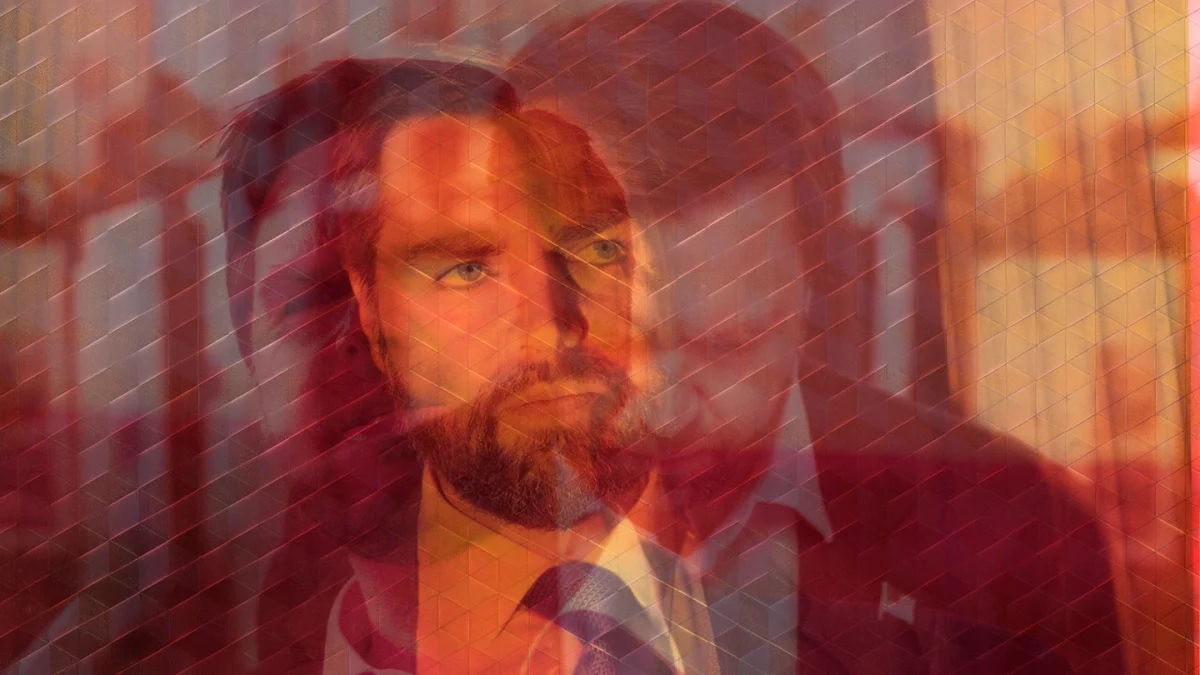


Father. Patriot. Speaker. Instigator. Conspiracist. Agitator. It is impressive that one man can be defined under so many labels depending on whom you speak with, in just 31 years of life. Charlie Kirk started his career volunteering for campaigns and writing for far-right news organizations as a young teen, later dropping out of community college to focus on his largest project, Turning Point U.S.A. Turning Point helped Kirk launch his own career as a speaker and debater, giving talks at the Republican National Convention and other similar events. It also helped him foster a community of young right-wingers that he could funnel into action programs and spread his ideas across the country. He used a unique brand of semi-coded language, religious fervor, and conspiratorial rhetoric to resonate with a generation feeling battered by a harsh world. Yet, as Brookings reported in 2023, his podcast ranked second among major political podcasts for false or unsubstantiated claims.
It has been a few months since he passed away from a gunshot while speaking at Utah Valley University, and the dust is finally starting to settle on Charlie Kirk’s legacy. All of us remember where we were when we heard the news, but the greater political space has taken his death a different way. The right, which Kirk helped shape into its new populist form, has treated his death as a mere trend. In an exploitative irony, Kirk has suffered from a sort of patricide by the young right he cultivated.
After his murder, President Donald Trump, a man who owes a large portion of his success to men like Kirk, gave an address to the public concerning his death. This address was riddled with glitches—missing fingers on the president, wires appearing and disappearing, morphed facial expressions, and rough cuts. Many think the irregularities in this video are due to AI usage, but even if it was real, the fact stands. President Trump, a man who has claimed Charlie Kirk as his friend, made a sloppy and unsettling address to the nation. Erika Kirk, Charlie’s wife of 4 years, has come under scrutiny for how she has treated her husband’s death, with her making odd appearances and creepy quotes about the Vice President, JD Vance.
“No one will ever replace Charlie, but I do see some similarities of my husband in JD,” Kirk said.
Her awkward comments have even drawn criticism from Kirk’s ideological peers. Infamous white nationalist Nick Fuentes called her tribute “disgusting.” It seems as though the President himself and his own widow are using the spotlight to draw attention to themselves.
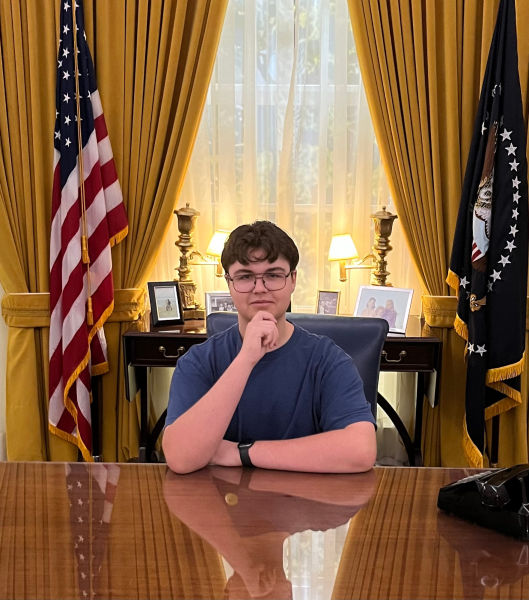
Kirk has become a meme as of late, with a trend of “Kirkification” going around social media, where someone’s face is humorously replaced with Charlie Kirk’s. With the trend even spreading to Claremont High School, students are swapping each other out for the late Kirk. At no other point in time would we have been able to make jokes out of an activist who died barely three months earlier. It is a stark example of how quickly grief, politics, and internet humor can collide in absurd ways. Beneath the layers of added text and funny sounds sits a grim reminder of his death. How far can a joke go before it becomes posturing for political points, or is this an example of it being reclaimed? People have been ordering his signature Starbucks order under his name as a show of support, and people have even made full anthems supporting him after his death, only to farm pity streams.
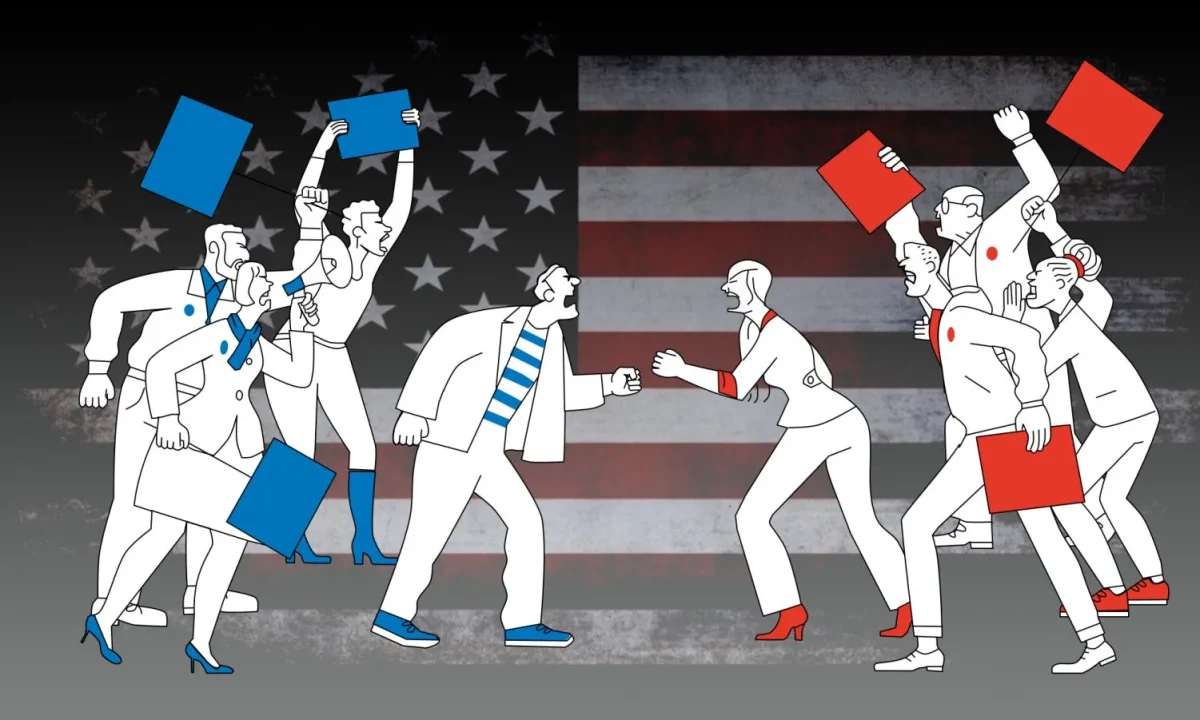
The right is fighting a war, not against the left, but against itself. When every Republican talking head rushed to jump on the Charlie Kirk train, we lost what was important about the whole scenario. By exploiting Kirk’s death for pity points, the right erases the man himself, leaving only the concept of Charlie Kirk.